The healthcare sector in Bangladesh stands at a critical crossroads. As the nation strives for rapid socio-economic expansion, its healthcare delivery framework remains strained under the weight of surging demand, structural bottlenecks and uneven service quality. To build a resilient and reliable medical ecosystem, understanding the structural landscape, diagnosing core service gaps and implementing strict, transparent hospital auditing are paramount.
The landscape: public and private
The healthcare delivery mechanism is broadly split between state-funded public institutions and a rapidly expanding private sector. According to data from the Directorate General of Health Services (DGHS), the institutional breakdown includes:
- Government/public hospitals — 665 public hospitals providing approximately 71,100 beds, ranging from rural Upazila Health Complexes and district general hospitals to massive tertiary-level specialized medical college hospitals in major cities.
- Private hospitals and clinics — over 6,000 registered private hospitals and clinics delivering roughly 126,353 beds, complemented by over 12,000 registered diagnostic centers and blood banks, alongside a considerable network of unregistered facilities. Private entities currently shoulder more than 60% of secondary and tertiary care service delivery.
Why people often fail to get proper services
Despite the physical presence of hospitals across urban and rural tiers, citizens frequently struggle to secure timely, high-quality medical care due to several deeply entrenched systemic friction points:
- Severe professional shortages and minimal consultation time — Bangladesh has roughly 7 doctors per 10,000 people, well below the WHO recommendation; doctors in overburdened public tertiary facilities often spend less than a minute per patient, drastically hurting diagnostic accuracy.
- Overburdened tertiary infrastructure — weak primary and secondary care at the grassroots level pushes patients to bypass local centers for minor ailments, creating extreme congestion at tertiary city hospitals.
- Soaring out-of-pocket expenditures — out-of-pocket expenses account for nearly 74% of total health expenditure, imposing heavy financial strains that often push vulnerable households into poverty or force them to forgo necessary treatment entirely.
- Reactive health-seeking habits — seeking care only after conditions deteriorate drastically increases treatment complexity and stretches medical infrastructure further.
Critical infrastructure gaps
Bridging the service delivery gap requires addressing chronic infrastructural and logistical deficiencies, particularly evident across public and peripheral facilities:
- Equipment and maintenance deficits — many district and sub-district facilities lack functional diagnostic machinery (advanced X-rays, ultrasonograms, ECGs, CT scans), or leave supplied equipment idle for want of skilled operators or proper maintenance funds.
- Logistical and utility shortages — unreliable power supply, generator fuel allocation gaps, ambulance availability and basic drug storage issues undermine emergency response capacity.
- Residential and administrative shortages — acute shortages of usable on-site housing for doctors and nurses at Upazila Health Complexes hinder staff retention and round-the-clock emergency readiness.
The necessity of systematic hospital audits
To restore public trust, ensure clinical safety and curb irregularities, institutionalizing routine hospital audits across both public and private sectors is non-negotiable:
- Quality control and clinical standard enforcement — audits ensure hospitals adhere to proper standard operating procedures, maintain infection control protocols, and operate with certified medical devices and qualified professionals.
- Financial transparency and accountability — regular auditing helps eliminate corruption in medical procurement, equipment provisioning and supply chain management, ensuring that state allocations and private pricing align with fair-practice guidelines.
- Data-driven resource allocation — comprehensive clinical and infrastructural audits give policymakers accurate ground-level data, allowing targeted investment in regions facing acute shortages.
“An audit is not an accusation — it is the difference between a hospital that looks functional and a hospital that provably is.”
Moving forward
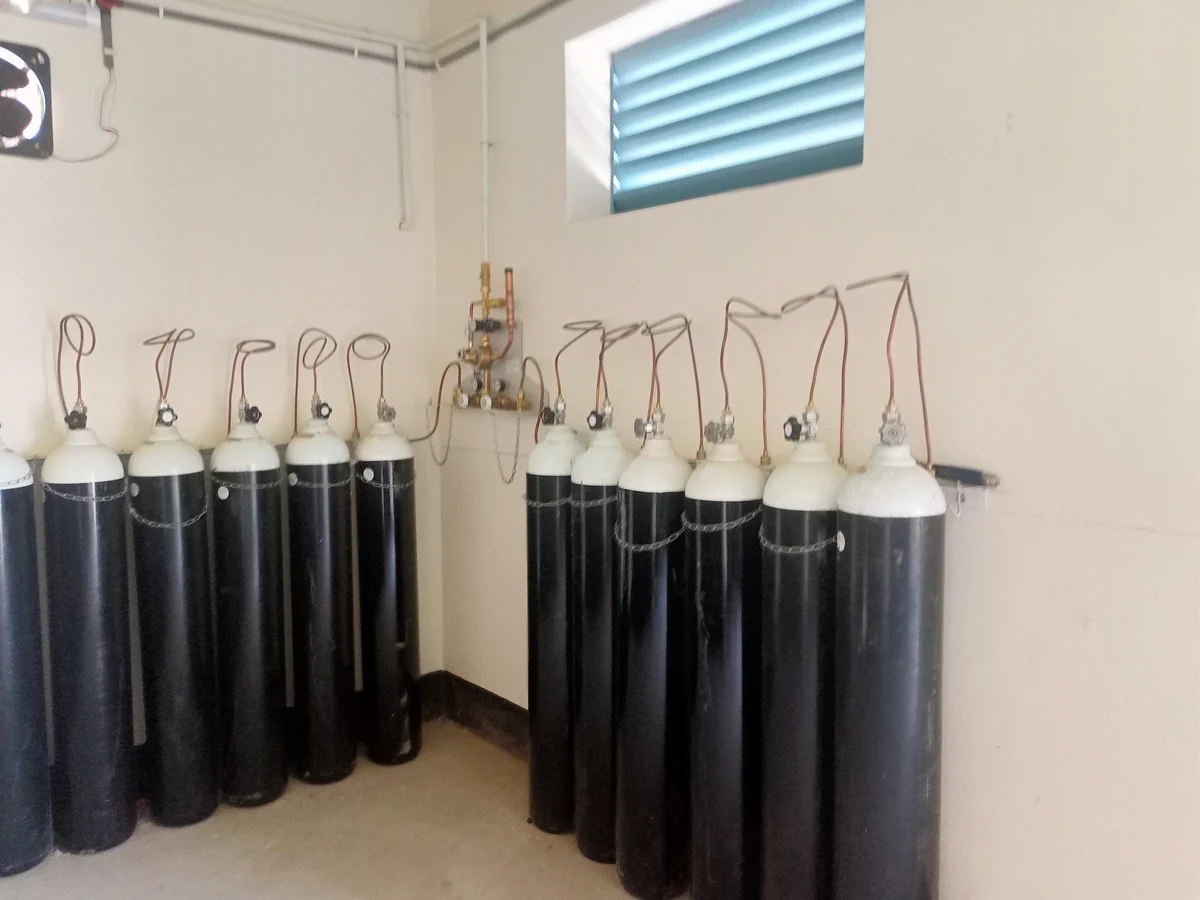
Transforming the healthcare sector in Bangladesh requires a unified strategy: boosting public investment, integrating robust digital health frameworks, fostering transparent public-private partnerships, and enforcing uncompromising, transparent hospital audits. Only through rigorous accountability and structural modernization can the nation ensure that quality healthcare becomes a universal, accessible reality for all citizens. For facility owners and administrators, the practical first step is an independent audit of the systems patients never see — medical gas, fire protection, electrical resilience and HVAC — before they are tested by an emergency.
Is Your Hospital Audit-Ready?
Get an independent Healthcare MEP Validation & Audit — medical gas pipelines, fire safety, electrical resilience and HVAC — aligned with NFPA-99, ISO 7396-1 and DGHS licensing requirements.