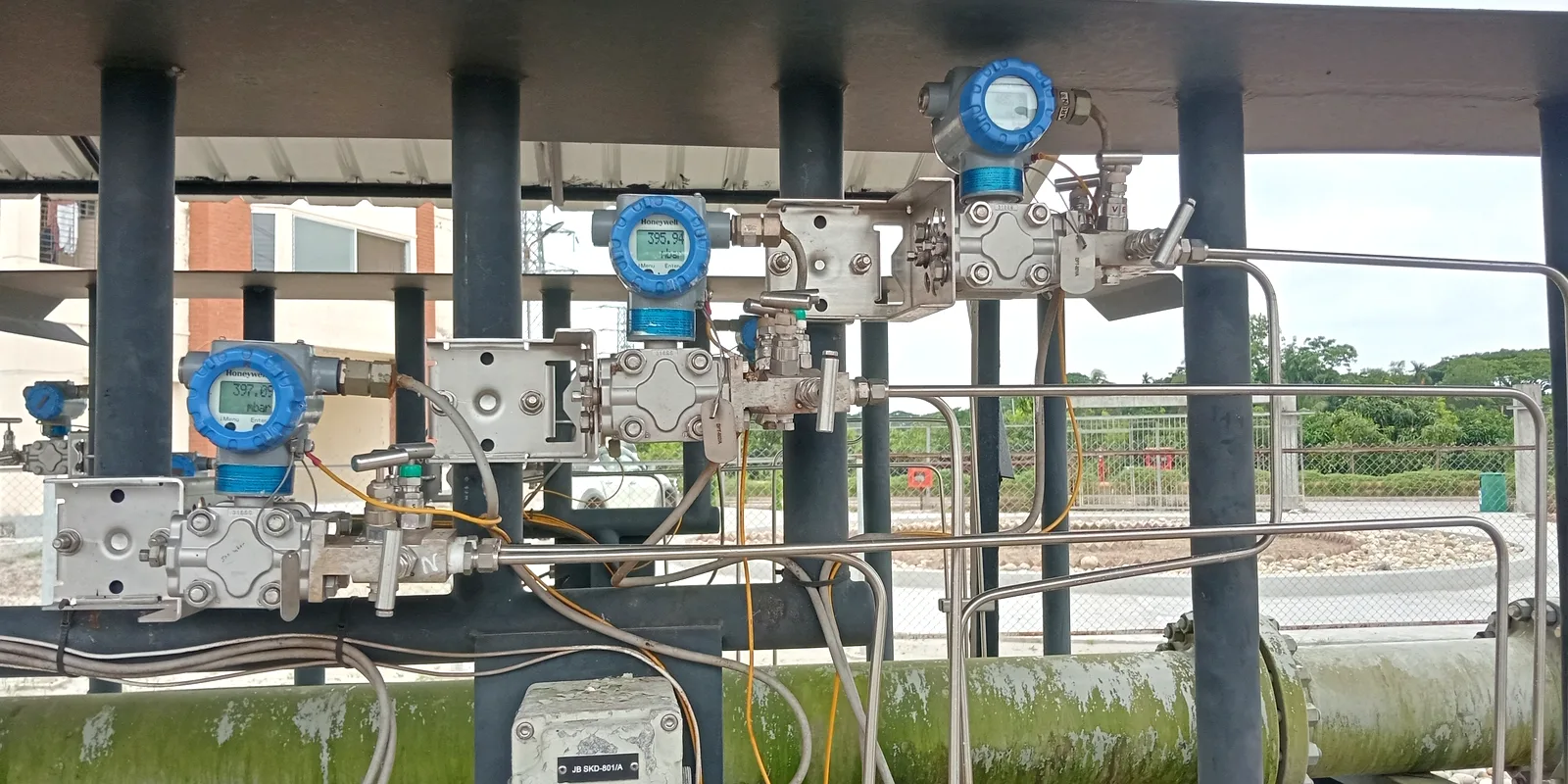
In today’s rapidly evolving energy landscape, the efficiency and reliability of power distribution networks depend heavily on advanced monitoring technology. At the heart of this digital transformation is the Remote Monitoring System (RMS). RMS units act as the eyes and ears of utility operators, providing real-time data on asset health, grid performance and potential anomalies.
However, even the most sophisticated monitoring infrastructure requires proactive care. Without a solid maintenance strategy, RMS units can experience data drift, communication dropouts and hardware degradation — ultimately leaving operators blind when they need visibility the most. Here is why RMS maintenance matters, the pillars of a robust program, and the practices that keep a monitoring network resilient.
Why RMS maintenance matters
An RMS is only as good as its uptime. When a unit fails or transmits inaccurate data, the consequences cascade through the entire operational chain:
- Delayed fault detection: inaccurate telemetry or offline remote terminals delay the identification of outages or equipment overheating.
- Compromised data integrity: faulty sensors or uncalibrated inputs trigger false alarms or miss critical warnings, wasting field crew resources.
- Shorter asset lifespan: neglected hardware exposed to harsh outdoor environments fails prematurely, leading to costly replacements.
Regular maintenance shifts operations from a reactive break-fix model to a proactive, reliability-centred approach.
Pillar 1 — Hardware inspections and environmental hardening
RMS units are frequently deployed in harsh outdoor substations, remote poles or industrial enclosures where they face extreme temperatures, humidity and vibration:
- Physical checks: inspect cabinet seals, air filters and cooling fans to prevent dust ingress and overheating.
- Power supply health: regularly test backup batteries, UPS units and solar chargers — battery degradation is a leading cause of unexpected RMS failure during grid outages.
- Wiring and connections: check for loose terminal blocks, corrosion and water ingress caused by weather exposure.
Pillar 2 — Firmware and software updates
Cybersecurity threats and software obsolescence pose real risks to remote monitoring nodes:
- Security patching: keep firmware and operating systems updated to protect against vulnerabilities and unauthorized access.
- Configuration management: maintain strict version control of device configurations so field replacements can be reconfigured rapidly.
- Data synchronization: verify time synchronization via NTP or GPS across all nodes to ensure accurate Sequence of Events (SOE) logging.
Pillar 3 — Sensor calibration and loop testing
Data accuracy is non-negotiable when making critical switching or load-balancing decisions:
- Analog input calibration: periodically compare RMS telemetry readings — voltage, current, temperature — against calibrated reference instruments.
- Communication link verification: test primary and secondary communication paths, whether cellular, fibre optic or radio, for low latency and high packet delivery ratios.
Best practices for long-term reliability
- Implement automated health polling: heartbeat signals and polling checks from the central SCADA or master station should alert engineers immediately when an RMS goes offline.
- Establish a seasonal checklist: tailor maintenance to climate shifts — preparing batteries for cold weather, ensuring adequate cooling ahead of peak summer loads.
- Empower field technicians: equip crews with standardized diagnostic tools and clear documentation to troubleshoot communication faults on-site quickly.
“A remote monitoring system is the backbone of modern, intelligent infrastructure — but only if someone is maintaining the backbone.”
By investing in a structured, proactive maintenance routine, utilities protect their networks against unexpected downtime, secure data integrity and keep uninterrupted visibility over critical assets. If your team is reassessing its monitoring maintenance strategy — across power, gas or industrial networks — our engineers at NSP and PT Sun Moon Ecosystem are glad to review it with you.